
Perantau and the Indonesian Diaspora
An abridged history of Indonesia’s perantau and Indonesian diaspora | sejarah orang Indonesia perantauan dan diaspora Indonesia
Last updated:
Reading time:
Overseas Indonesians, also referred to as the Indonesian diaspora or Indonesian migrants (Indonesian: orang Indonesia perantauan; diaspora Indonesia) refers to Indonesians living abroad.
This page explores the history and cultural significance of the word perantau, a contemporary understanding of the Indonesian diaspora, a changing and transitioning socioeconomic demographic of Indonesian diaspora, and existing policies and debates on the status Indonesian diaspora and migrants.
On this page
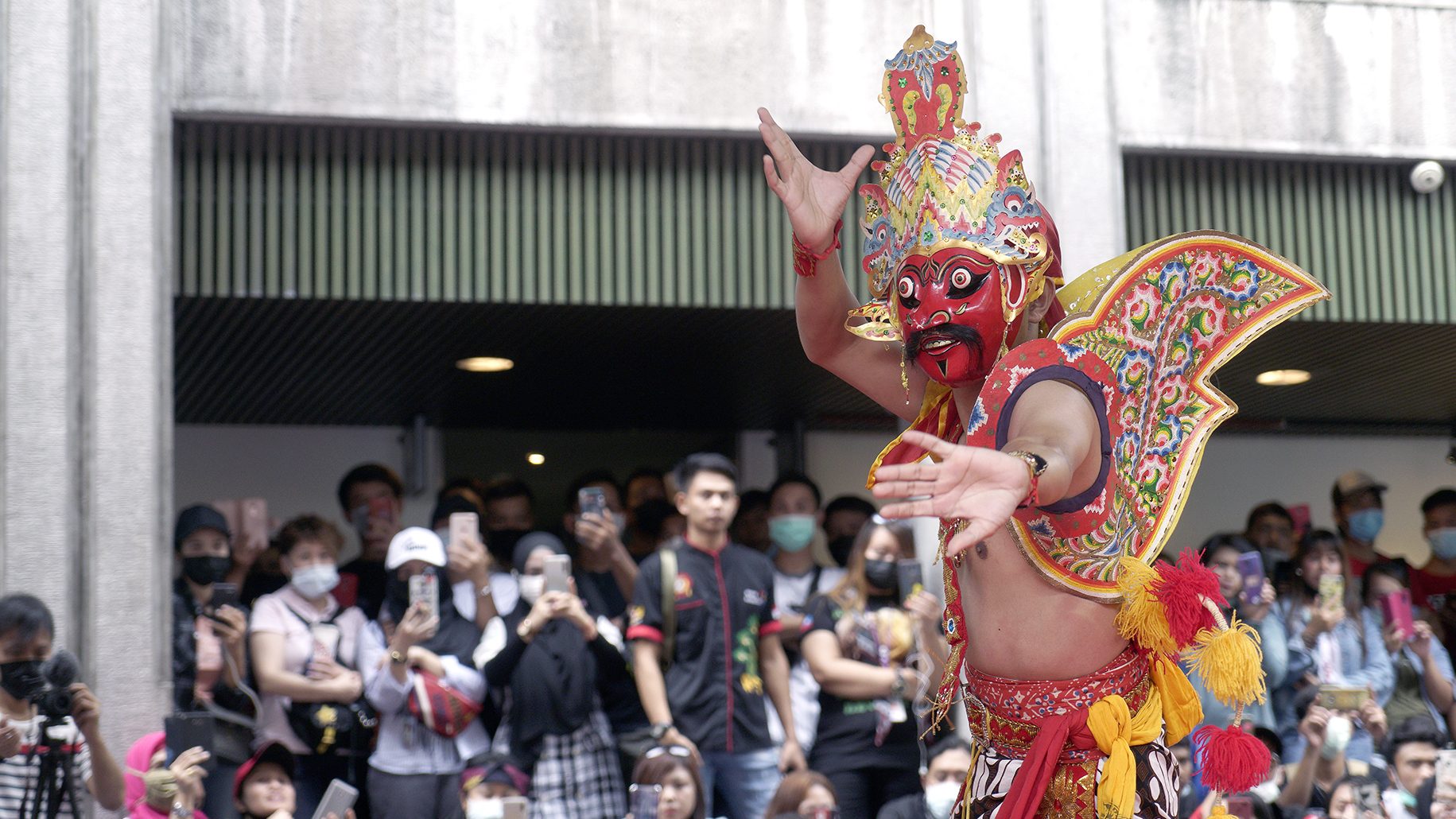
History and cultural significance
Overseas Indonesians and the practice of Indonesians going abroad dates back to ancient times.
It’s a cultural rite of passage for young Minangkabau men, aged 20-30, to journey abroad in search of wealth, knowledge, and life experiences, writes international travel storyteller Roads and Kingdoms.
“The Minangkabau of Western Sumatra may be more suited to this humming mélange of modernity than most. A matrilineal property system means many young men, cut off from housing, leave the community at an early age to accrue wealth, knowledge, and life experience. The tradition is known as merantau (“wandering”).”
Steele Rudd (29 July, 2015). The Wanderers of Nusantara. Roads and Kingdoms.
The Minangkabau people is known for four distinctive cultural traits: their matrilineal system, Islam, merantau, and ethnic proverbs (Minang: petatah-petitih). These four traits have guided the behavior of the community in their daily lives, argues counselling psychologist Berru Amalianita.
Minang local Edil Rohisfi from the Open University of Indonesia found that based on the cultural values of the Minangkabau community, humility is a prominent characteristic, as reflected in their reluctance to boast about their success.
Proverbs such as “ka-lau berkata pelihara lidah” (be cautious with your words) emphasise the importance of humility and discretion in both speech and action.
A researcher from the Institute for Islamic Studies (IAIN) Batusangkar found that merantau can be fulfilling through many facets: physiological (economic betterment), safety (secure living conditions), social (cultural interactions), esteem (achievements and recognition), and self-actualisation (personal growth and potential).
This practice underscores a significant psychological process aimed at fulfilling these layered needs, reflecting a balance of personal and social responsibilities.
For the contemporary Indonesian civil servant, merantau is a familiar and emotionally mixed experience, recounts Bagus Widi Wicaksono, Government Asset Manager at Indonesia’s Finance Ministry.
Preparing for such moves are challenging, requiring mental and physical readiness and the acceptance of temporary solitude, yet it offers valuable life lessons and growth.
Ultimately, he says, merantau serves the nation’s needs while returning home fulfills familial obligations, balancing national service and personal duty.
Fun Fact!
Before Dutch and English sailors arrived in Australia, Indonesian sailors from the Makassar tribe in South Sulawesi had already been exploring Australia’s northern coast.
Every year, they sailed to Australia using traditional boats and stayed for several months to trade before returning to Makassar during the dry season.
This continued until 1907.
Macknight, C.C. (1976). The Voyage to Marege: Macassan trepangers in Northern Australia. Melbourne University Press.
Indonesian diaspora
The Indonesian Government does not officially use the term ‘diaspora’ but rather refers to this group as ‘overseas Indonesian citizens’, as per Presidential Regulation No. 76/2017 on Facilities for Indonesian Communities Abroad (Fasilitas Bagi Masyarakat Indonesia di Luar Negeri).1
Thus legally, ‘overseas Indonesians’ are Indonesian citizens and foreign nationals living and/or working abroad, including former Indonesian citizens, their children, and foreign nationals with Indonesian parents. Foreigners with no Indonesian ties or heritage are able to request Indonesian citizenship through the process of naturalisation, as outlined in Law No. 12 of 2006 on Citizenship.
Dino Patti Djalal, former Indonesian ambassador to the US and founder of the Indonesian Diaspora Network, defines the Indonesian diaspora as those who live abroad, including foreign nationals with family ties to Indonesia. He argues that foreign nationals who love Indonesia can also be considered part of the Indonesian diaspora, though perhaps not in the legal sense.
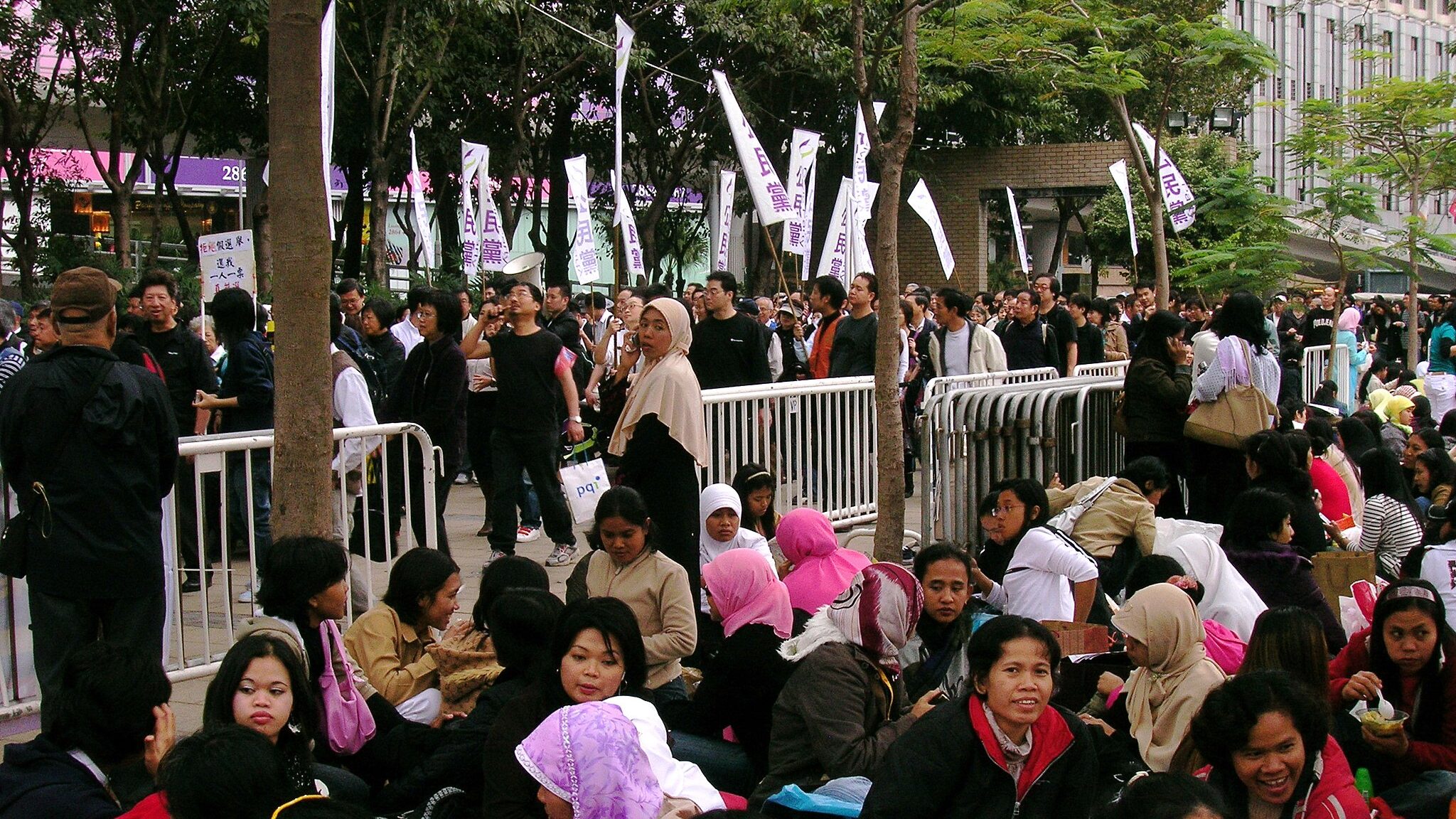
For decades, Indonesia has been a major source of international labor migration, with an estimated 9 million people – nearly 7% of its total labor force – working overseas, 84% of whom are in Malaysia, Hong Kong, and Taiwan.
According to the Indonesian Migrant Worker Protection Agency (Indonesian: Badan Pelindungan Pekerja Migran Indonesia or BP2MI), women make up 88% of regular migrants in 2021, while irregular migrants, estimated at 47% of Indonesian migrant workers, are predominantly male and primarily work in Malaysia.
That said, Robert Walters Indonesia found that as the Indonesian job market recovers post-pandemic, more and more overseas Indonesian professionals are considering coming back home, driven by the desire to reunite with family and influenced by greater confidence of Indonesia’s economic conditions.
Based on 2023 data, 60% of overseas Indonesians are looking to relocate back home within the next 5 years, up from 40% in 2021, where 56% of people surveyed stated that the current economic situation has an impact on whether or not to relocate.
Indonesians abroad are also increasingly longing for home, with 68% citing the desire to care for ageing parents and be closer to family as their main reason for returning, up from 30% in 2021.
Government-sponsored scholarships
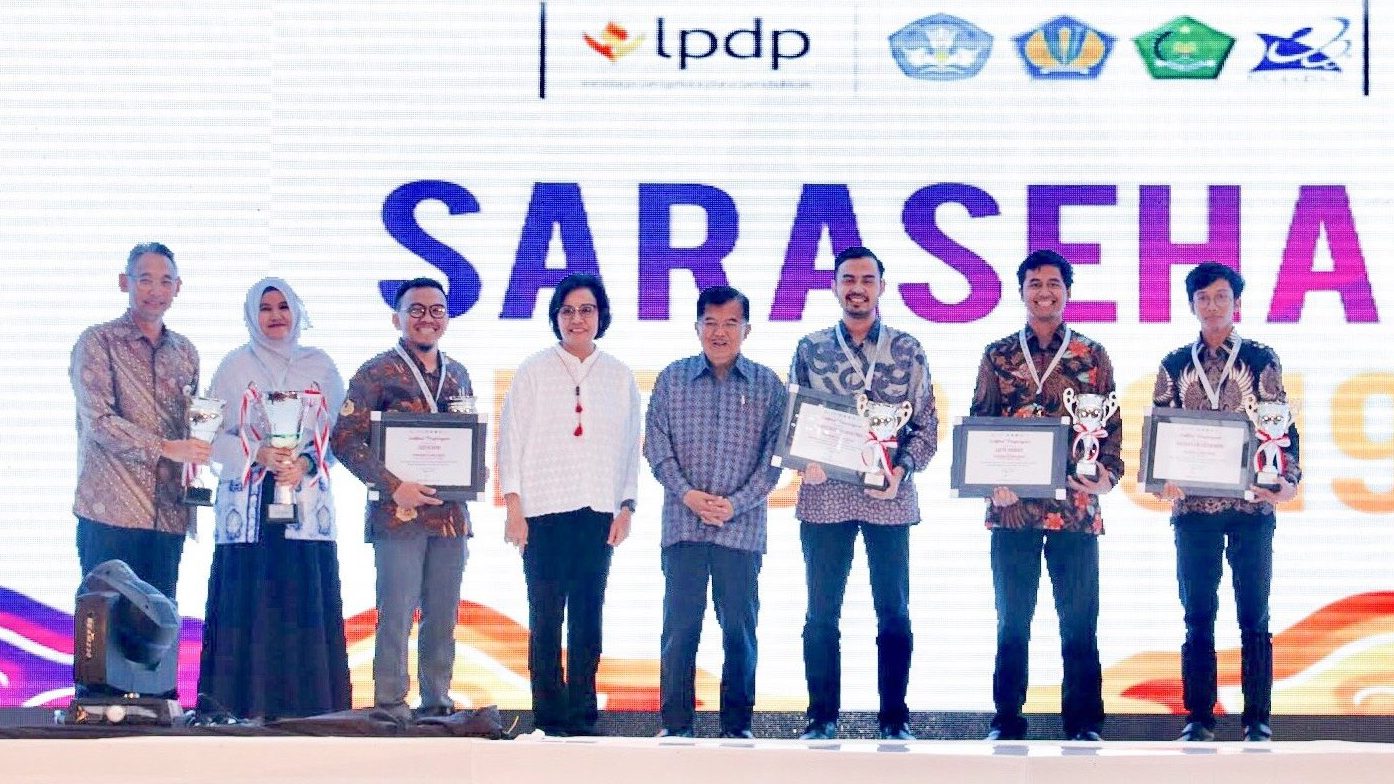
The Indonesia Endowment Fund for Education (Indonesian: Lembaga Pengelola Dana Pendidikan or LPDP) operates under Indonesia’s Ministry of Finance and manages education funds, most known by offering scholarships to support high-quality education and leadership development.
Established as a Public Service Agency in 2012, LPDP provides scholarships for master’s and doctoral programs, including funding for theses and dissertations, as well as specialist medical training, both domestically and abroad.
On February 2023, Indonesian Finance Minister Sri Mulyani sparked nationwide debate by shining the spotlight on government scholarship awardees that did not return home.
With 413 LPDP alumns yet to return from their studies, Sri Mulyani questioned their Indonesian-ness and national loyalty.
“I tend to worry that those who go abroad and become smarter come to forget that they are Indonesian,” she said at a public lecture in 2023, as quoted by Antara.
LPDP Managing Director Andin Hadiyanto has previously said that of the 35,000 scholarship recipients, 413 individuals are yet to come back. Emphasising efforts to bring these alumni back, he stated that those who do not return will face sanctions, including repaying the scholarship funds provided by the government.
Overseas Indonesians cite several economic factors for preferring to stay abroad: 66% believe their skills are better valued, and 56% find a better salary-to-cost-of-living ratio overseas, data from Robert Walters Indonesia show.
Brain drain
There has been much debate on how the Indonesian government should utilise the newer generation of Indonesian diaspora going abroad for studies and in seeking employment opportunities.
This, by extension, extends to the conversation on the Indonesian brain drain ripe amongst Indonesian policy makers and Indonesian migrants.
In most cases nowadays, ‘brain drain‘ generally refers to the ‘loss’ of highly-skilled, university-educated individuals through skilled migration, most often from developing to developed countries, but can also be used in the context of domestic migration from one region to another. But does it really come at a loss?
As economists continue to argue, research finds that skilled individuals enjoy significant increases in living standards through migration, and this rise in skilled migration does not seem to limit opportunities for unskilled migrants; both have increased in tandem. Skilled migrants remit – or send money back – amounts comparable to the fiscal cost of their absence, with preliminary estimates indicating minimal production externalities from brain drain.
In the Indonesian context, research from the University of Indonesia argues that the release of Presidential Decree No. 76/2017 on Facilities for Indonesian Citizens Overseas highlights the crucial role of diaspora networks in promoting globalist ideas and gaining international support, and suggests that involving the diaspora in policymaking can strengthen their sense of national duty and help prevent brain drain. Other researchers seem to agree.
Hendra Manurung from Prof. Dr. Moestopo University believes the Indonesian diaspora can serve as cultural ambassadors, contribute to national development through collaboration and investment, and promote Indonesia’s image positively through strategic policies, thereby enhancing global influence.
Writing for The Conversation, Musa Maliki from UPN Veteran Jakarta shares this view. He suggests that the government should support Indonesians abroad to contribute from their locations and become long-term assets in nation-building. This makes the question of whether they need to – or should – return a complex debate.
Then and now: demographic in transition
Diaspora and soft-power diplomacy expert Charlotte Setijadi explained that in general, the image of the Indonesian diaspora has long been related to low-skill labor, especially women, in countries such as Malaysia, Singapore, Hong Kong and Saudi Arabia.
Despite the long history of Indonesians going abroad for study or high-skilled work, they were primarily for the wealthy or a small group of talented students on government scholarships. As a result, their presence and contributions have been largely unrecognised in Indonesian society, with public attention mostly focused on the occasional case of abuse involving Indonesian domestic workers (Indonesian: Tenaga Kerja Indonesia or TKI).
Today, demographic shifts and the socio-political outlook of an increasingly affluent middle class – a demographic with greater aspirations and likelihood of economic security and upward social mobility – have created increased transnational ties.
Indonesia stands to economically benefit from its diaspora, as evidenced by the $10 billion in remittances sent annually by overseas Indonesians in 2022, figures from the World Bank show. However, remittances only account for about 1% of Indonesia’s GDP, and the government seeks to enhance this by encouraging the diaspora to act as trade brokers between Indonesia and other countries.
Despite the visible great potential of the Indonesian diaspora, challenges related to government support and a lack of concerted efforts require greater steps to build a sense of attachment and responsibility towards the homeland.
Existing policies and debates
The Indonesian government, under President Jokowi, is actively encouraging the diaspora to contribute to national development through financial means and by fostering economic ties between Indonesia and their host countries.
The government is also considering legislative changes, such as reviewing the dual citizenship law, to strengthen ties with overseas Indonesians, who are advocating for greater rights, including land ownership and business interests.
Despite these efforts, challenges persist due to limited government support, societal resistance to granting privileges to non-resident Indonesians, and administrative hurdles, according to an Indonesia diaspora engagement mapping report from the EU Global Diaspora Facility.
The proposed diaspora card aims to improve data collection and government services, but its implementation faces obstacles, including a lack of clear policies and the need for better integration and acceptance of foreign qualifications.
Protection for migrant workers
The government has taken steps, including passing the Indonesian Migrant Worker Protection Law (No. 17/2018), to protect Indonesian migrant workers, but a gap between policy and reality remains, according to an International Organization of Migration (IOM) Indonesia report.
The IOM added that the COVID-19 pandemic amplified existing imbalances and vulnerabilities faced by migrants and their families, both domestically and internationally, due to barriers such as limited access to social protection, health support, mobility, language, documentation, social networks, and discrimination, hindering their ability to safeguard their safety and well-being.
A report on Indonesian migrant workers published by the World Bank has also shown that that access to social services and protection for Indonesian international migrant workers hinges on both their legal status and the destination country, with those in the informal sector, predominantly women, facing heightened vulnerability due to gaps in labor laws and lack of documentation, leaving them unable to claim their rights.
Diaspora visa & card
As of November 2023, Indonesia has launched a diaspora visa to make it easier for former Indonesian citizens to visit and live in Indonesia for 5-10 years, as part of efforts to bring emigrants home and utilise their skills to support the country’s economy, with the Directorate General of Immigration estimating the Indonesian diaspora at 6 million people.
Elsewhere, the Indonesian Diaspora Card (Indonesian: Kartu Masyarakat Indonesia di Luar Negeri or KMILN) is an identification card issued by the Indonesian government to Indonesian citizens abroad who meet specific criteria.
It serves as both identification for the diaspora community and a tool for mapping their potential and networks for national interests, acknowledging the existence of the Indonesian community abroad, as per the government website.
However, members of the Indonesian Diaspora Network (IDN) noted discrepancies between the card’s intended purpose and its actual implementation since its implementation in 2017.
Only about a thousand KMILN cards have been issued in nearly three years, while it’s estimated there are 6 to 8 million Indonesian diaspora worldwide.
Despite its intended use for various purposes like banking, property ownership, or business in Indonesia, IDN raised concerns about its legal basis and lack of clear benefits.
Issues including ambiguous eligibility criteria for diaspora and bureaucratic delays have been highlighted, leading some to question the necessity of the card if diaspora data could simply be included in passports, potentially streamlining processes and improving effectiveness.
Dual Citizenship
On April 30, 2024, Luhut Pandjaitan, the Coordinating Minister for Maritime Affairs and Investment, floated the idea that Indonesia may offer dual citizenship to people of Indonesian descent to attract skilled workers, but is yet to provide any details.
This proposal came as Microsoft CEO Satya Nadella pledged a $1.7 billion investment in Indonesia to advance Artificial Intelligence (AI) infrastructure the day before.
The issue of dual citizenship previously caused controversy in 2016 when President Joko Widodo removed Arcandra Tahar as energy and mining minister due to holding U.S. and Indonesian passports.
Minister of Law and Human Rights, Yasonna Laoly, argued at the time that Arcandra Tahar was still Indonesian because his loss of nationality had not been formalised by a ministerial decree.
However, according to Article 23 of Law No. 12 of 2006 on Citizenship, a person loses Indonesian nationality if they obtain foreign citizenship, voluntarily take an oath of allegiance to a foreign country, or hold a foreign passport.
Denny Indrayana, former Indonesian Deputy Minister of Justice and Human Rights, previously wrote for a University of Melbourne publication that although Arcandra’s case has been resolved, it raises questions about whether it will spur the adoption of multiple citizenship in Indonesia.
Although President Jokowi Widodo has expressed a desire to reform the 2006 Citizenship Law to allow dual citizenship – citing the potential contributions of the Indonesian diaspora to national development – although the process is complex and faces public opposition.
As of March 2024, Jokowi has again tasked Minister of Law and Human Rights Yasonna Laoly to conduct a feasibility study on the citizenship status of Indonesian diaspora.
Notes
- The term that is officially used in documents concerning Indonesian diaspora is Masyarakat Indonesia di Luar Negeri, and subsequently Kartu Masyarakat Indonesia di Luar Negeri. There is no formally or officially recognised English translation.
For example, the Indonesian Embassy in Argentina’s website switches between “Indonesian Overseas Community”, “Indonesian Society Overseas” and “Indonesian Communities Abroad”. The Jakarta Post refers to Regulation No. 76/2017 as “facilities for Indonesians overseas.” Jakarta Policy Innovation refers to the Regulation as “Indonesian Communities Abroad.”
Although, it has been widely and commonly accepted to use the word ‘diaspora’ – amongst government, policymakers and the public – when referring to the KMILN as the ‘Diaspora Card’ or ‘Kartu Diaspora‘. ↩︎
 The Perantau


